Featured
About Credentials Requirements from Alternative Millennia...
The Developing Post-Debt Spending Strategy That Works Sta...
More About Understanding Different Relief Programs You Ne...

The Real Price of Neglecting Financial Debt: Exactly How Professional Counseling Solutions Are Changing Financial Recuperation
Table of Contents
Monetary anxiety has actually ended up being a defining attribute of modern American life. With complete credit history card debt exceeding $1.21 trillion and the average cardholder owing more than $6,500, millions of people find themselves trapped in cycles of minimal payments and compounding passion. When credit score card rate of interest float around 23%, even modest balances can balloon into overwhelming problems within months.
For those drowning in the red, the concern isn't whether to look for assistance-- it's discovering the ideal type of help that will not make issues worse.
The Expanding Need for Financial Obligation Mercy Solutions
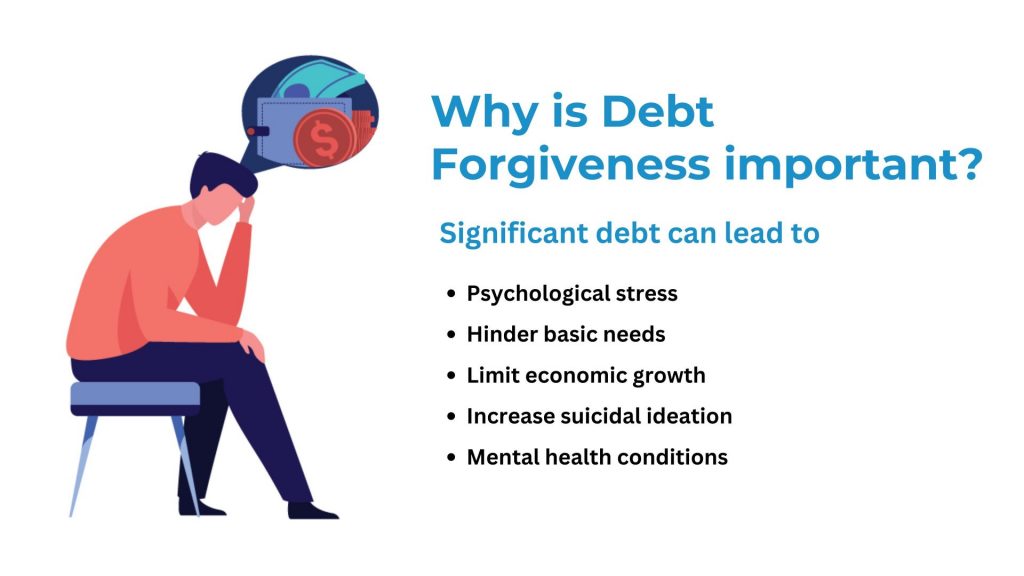
Financial obligation forgiveness has arised as among the most browsed economic subjects on the internet, and for excellent factor. The concept of clearing up debts for much less than the complete amount owed offers authentic intend to individuals that see no reasonable course to paying their equilibriums in complete.
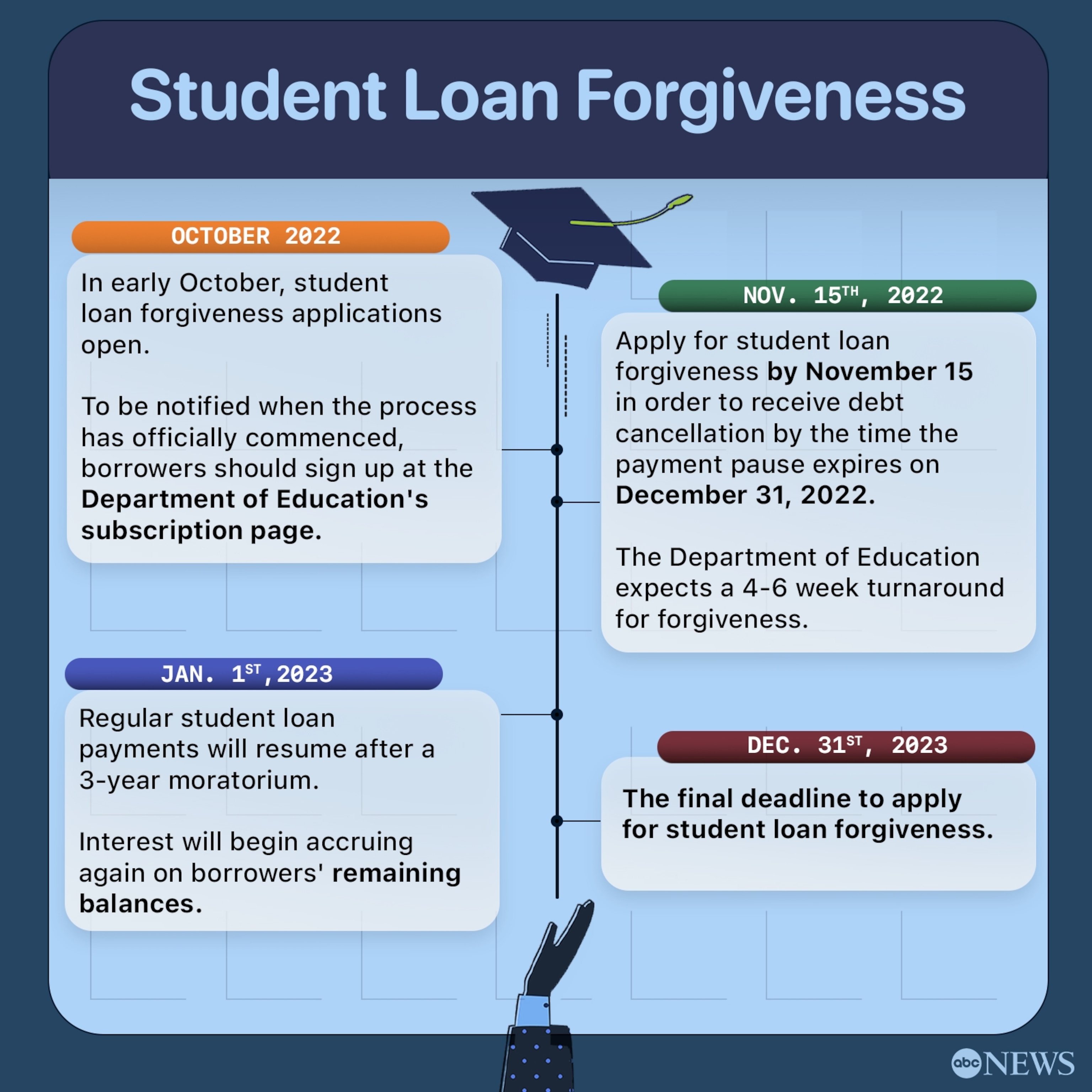
The process commonly works such as this: when bank card accounts go unpaid for 120 days or even more, lenders frequently bill off the financial obligation. At this stage, they might approve minimized negotiations to recover a minimum of a portion of what's owed. Successful settlements can lower balances by 30% to 50%, relying on the financial institution and your shown monetary hardship.
However, debt forgiveness isn't free cash. Resolved accounts show up on credit rating reports as "" paid much less than full balance,"" which affects your rating. In addition, forgiven amounts going beyond $600 might be reported to the IRS as taxable revenue. Understanding these trade-offs prior to going after negotiation is essential.
Personal bankruptcy Counseling: The Misunderstood Security Web
Bankruptcy lugs considerable preconception, yet it remains a legit lawful tool designed to give overwhelmed individuals a genuine fresh begin. What lots of people don't realise is that government legislation calls for two counseling sessions before and after declaring-- and these sessions exist specifically to guarantee you're making an educated decision.
Pre-bankruptcy credit counseling entails a comprehensive testimonial of your earnings, financial debts, and costs. Qualified counselors existing alternatives you could not have actually considered, consisting of debt management programs or difficulty settlements. This isn't about inhibiting bankruptcy; it's regarding validating it's genuinely your ideal option.
Post-bankruptcy debtor education prepares you for monetary success after discharge. You'll find out budgeting techniques, conserving strategies, and credit rating rebuilding comes close to made to stop future monetary difficulties.
Organisations like APFSC offer both needed courses, with costs around $19.99 per session unless you receive hardship waivers. Their certified counselors supply same-day certifications, and sessions normally run 60 to 90 mins. This access matters when you're currently emphasized concerning finances.
Contrasting Your Debt Alleviation Options
Comprehending the landscape of debt relief aids you make educated choices. Each method lugs unique advantages and disadvantages.
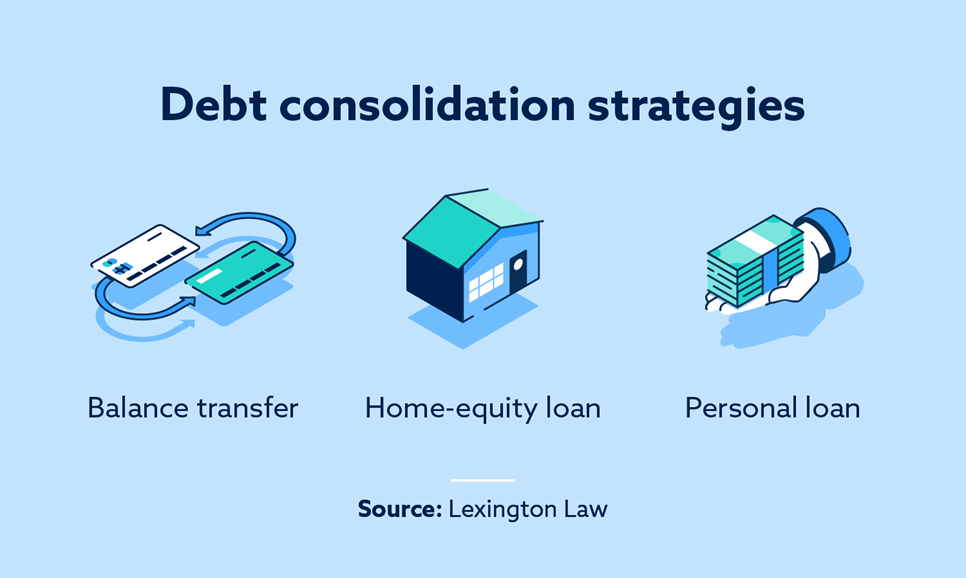
Debt Administration Programs consolidate numerous unsecured financial obligations right into solitary month-to-month payments. Therapists negotiate with lenders to possibly reduce rate of interest rates without needing new car loans. The majority of clients total these programs within three to 5 years. The primary benefit is paying debts completely while reducing total interest paid.
Financial obligation Settlement works out reduced reward quantities, generally 30% to 50% less than owed. This method needs quiting repayments to lenders while gathering negotiation funds, which damages credit rating throughout the process. Results differ based on creditor desire and your shown challenge.
Insolvency provides court security while eliminating or reorganizing debts. Chapter 7 liquidates certain properties to discharge unprotected financial debts swiftly. Phase 13 establishes three-to-five-year repayment prepare for those with normal income. Bankruptcy continues to be on credit report reports for seven to 10 years however provides the most thorough fresh begin.
Credit Therapy provides education and guidance without always enrolling in official programs. Qualified therapists review your full monetary photo and recommend suitable following actions, which might include any one of the above options.
What Sets Nonprofit Therapy Apart
The distinction in between not-for-profit and for-profit debt relief firms matters enormously. Not-for-profit agencies like those accredited by the National Foundation for Credit History Counseling (NFCC) operate under strict ethical guidelines and charge policies. Their counselors go through rigorous accreditation and should recertify every two years.
For-profit debt settlement firms, on the other hand, might bill fees ranging from 15% to 25% of signed up debt balances. Some employ hostile sales techniques and make impractical pledges regarding outcomes. The Customer Financial Defense Bureau has recorded numerous issues about predacious techniques in this sector.
APFSC runs as a not-for-profit therapy firm, using cost-free financial debt monitoring assessments and managed fees for recurring solutions. Their HUD-approved real estate counselors include value for those encountering foreclosure together with general financial obligation concerns. Solutions are available in English, Spanish, and Portuguese, expanding access to underserved communities.
Research supports the efficiency of not-for-profit therapy. A research study commissioned by the NFCC discovered that credit history counseling customers decreased rotating financial obligation by $3,600 greater than comparison teams throughout the 18 months following their sessions. Virtually 70% of participants reported enhanced finance and higher financial confidence.
Warning Indications of Predatory Financial Debt Alleviation Provider
Not all debt relief companies have your finest rate of interests in mind. Recognising red flags protects you from making a tough situation even worse.
Be careful of business that guarantee specific results. No legit service can promise exact negotiation percentages or timeline warranties because results depend on specific lenders and circumstances.
Stay clear of any kind of company demanding huge in advance fees before offering services. Reputable nonprofit therapy provides free preliminary assessments, and for-profit negotiation companies are legitimately banned from accumulating charges up until they efficiently resolve at the very least one financial obligation.
Question anybody advising you to stop connecting with financial institutions totally without discussing the effects. While strategic interaction stops briefly occasionally support negotiations, total evasion can result in lawsuits, wage garnishment, and extra damage.
Genuine agencies explain all options honestly, including alternatives that could not include their paid services. If a firm presses just one service no matter your circumstance, seek guidance in other places.
Taking the Initial Step Toward Recovery
Financial recuperation begins with straightforward analysis. Collect your newest statements for all financial debts, compute your complete commitments, and examine your reasonable regular monthly payment ability. This details creates the structure for any productive counseling session.
Take into consideration organizing free appointments with multiple nonprofit agencies before dedicating to any kind of program. Compare their recommendations, cost frameworks, and communication designs. The ideal therapy partnership ought to feel helpful instead of pressuring.
Organisations like APFSC use online conversation, phone appointments, and extensive consumption procedures developed to comprehend your distinct circumstance before recommending solutions. Their financial debt management calculator assists you visualise potential timelines and cost savings before signing up.
The Path Ahead
Overwhelming financial debt does not define your future-- yet ignoring it will. Whether debt forgiveness, bankruptcy therapy, or organized financial debt administration makes feeling for your scenario relies on variables unique to your situations.
Specialist assistance from licensed not-for-profit counselors lights up options you might never ever uncover independently. These solutions exist specifically to assist individuals like you navigate complicated monetary difficulties without predative fees or unrealistic pledges.
The typical American having a hard time with financial obligation waits much also lengthy before seeking help, allowing interest to substance and alternatives to slim. Every month of hold-up expenses money and prolongs your recuperation timeline.
Why CommunityYour initial discussion with a qualified counselor prices absolutely nothing but could alter everything. Financial liberty isn't booked for the lucky-- it's available to any individual ready to take that initial step toward understanding their choices and devoting to a practical strategy.

Table of Contents
Latest Posts

About Credentials Requirements from Alternative Millennials and Credit Card Debt: Building Smart Credit Without Financial Risk : APFSC Companies
Some Ideas on Your Protection You Need To Know
The Developing Post-Debt Spending Strategy That Works Statements
More
Latest Posts
Some Ideas on Your Protection You Need To Know
The Developing Post-Debt Spending Strategy That Works Statements